
Alberta gives people in this situation two separate legal routes, and they cover different ground. A 2017 statute deals with intimate images and requires no proof of damage. A 2021 court decision created a broader remedy that reaches private information generally — including information that is entirely true.
Most people never discover either exists, which is part of why AWDTSG posts sit unchallenged for months.
MGMT Reputation handles AWDTSG post removal across Alberta.
Our work runs through the platform’s own reporting and escalation channels, which is almost always faster and cheaper than a legal route, and we tell you at intake what we assess is realistically achievable.
Tea is now in Canada too. Tea, the women-only app where users post men’s names, photos and city, is now open in Canada, and posts about men in Alberta are appearing on it. We search Tea for you by name and phone number ($199.99) and remove posts ($999.99). Most removals done within 14 days. Not removed within 30 days? Full refund. See Tea app search and removal, or read what to do if you are posted on Tea in Canada.
Rated on Google
most removals
Support Available
Confidential
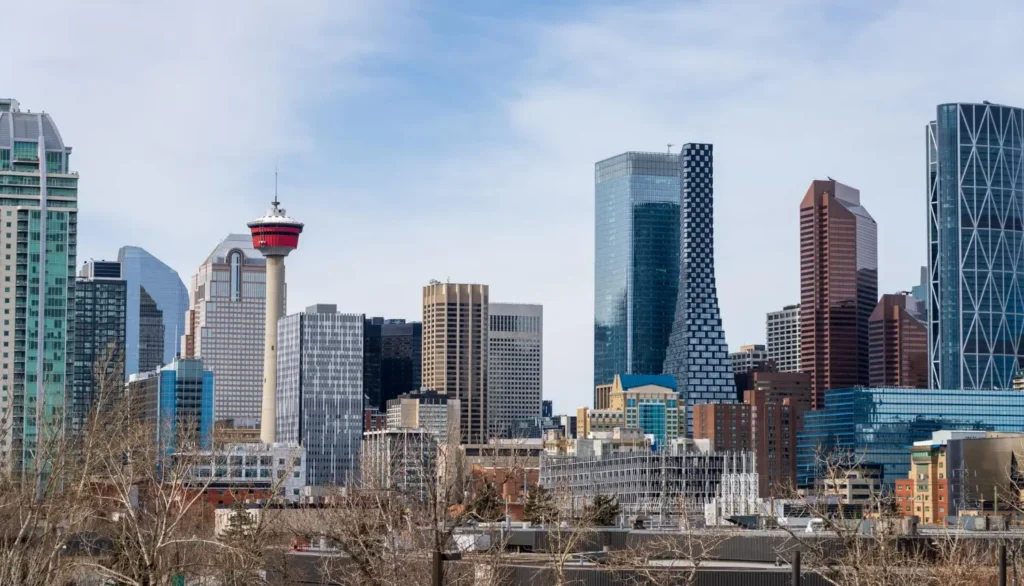
Three official AWDTSG groups cover Alberta, and the Calgary and Edmonton groups are both large. Content moves between them readily — the two cities share professional networks, particularly in energy, construction and healthcare, and a post in one frequently reappears in the other.
We scan all three before submitting anything, along with any cross-border spread into the BC or Saskatchewan groups. Submitting a coordinated set covering every instance produces more consistent outcomes than reporting posts one at a time over several weeks.
Where content has spread beyond the AWDTSG network onto other platforms, we handle that through our social media takedown service using the same evidence package.
Three official AWDTSG groups cover Alberta:
No dedicated group covers Lethbridge, Medicine Hat, Fort McMurray or Grande Prairie. The network’s guidance is to join the nearest listed group, so posts about residents of those cities typically appear in the Calgary, Edmonton or Red Deer groups. People in those communities frequently assume no group covers them and stop looking — which is precisely how a post goes undiscovered.
There are also imposter groups using the AWDTSG name and branding without operating under its policies. Which type of group a post sits in changes how a takedown is framed, and identifying that is part of our initial scan.
The groups are private and women-only. If you are the person being discussed, you cannot see the group, cannot search it, and have no way of confirming a suspicion on your own.
Creating a false profile to get in breaches the platform’s terms, risks your account, and would undermine a later takedown submission. Asking a female friend to look is the usual alternative and it is unreliable: one search in one group misses reposts, and people frequently guess wrong about which region their post landed in.
Our AWDTSG checker and search service scans the Alberta group network and reports what exists and how far it has spread. If nothing is there, you get that answer and nothing further happens.

A conversation, not a form. Nothing goes beyond our team, and we do not contact the poster, the group administrators, or anyone in your life at any stage.
A documented record of every instance: post, group, date, visible reach and the specific content at issue. Where the post uses photographs you took, copyright is a separate route, covered under image copyright protection.
Submitted through platform reporting channels, framed against the specific policy provisions the content breaches.
The full documented record of what was found, submitted and removed. Continued watching beyond that point is a separate paid service.
Outcomes depend on the content and on the platform’s assessment of it.
General information, not legal advice. We are not a law firm.


Alberta’s statute came into force on 4 August 2017. Where a person distributes an intimate image without the consent of the person depicted, that is a tort, and the person depicted can sue in civil court.
The significant feature is the burden. The claimant does not need to show they suffered damage or loss. They need only establish, on the balance of probabilities, that distribution occurred without consent. Remedies available include damages, an order that the defendant account for any profits made from distributing the image, and an injunction — which can extend to requiring removal of all postings of the image.
The Act does not apply retroactively, and “intimate image” is narrowly defined. A dating profile screenshot with written allegations sits outside it.

This is the broader remedy, and for most AWDTSG situations it is the more relevant one.
In September 2021, the Alberta Court of Queen’s Bench recognised the tort of public disclosure of private facts for the first time in the province. The court noted expressly that the statutory remedy was limited — narrow in its definition of intimate image, non-retroactive, and inapplicable to private sharing — and that a common law remedy was needed to cover the ground the statute left open.
The tort is not confined to intimate images. It has been described as reaching private information generally, including financial and medical records. Critically for AWDTSG situations, it does not require the disclosed information to be false. Private facts can be entirely true and still actionable.
Damages in Shillington totalled $185,000, comprising $80,000 general, $25,000 aggravated and the balance punitive, alongside a permanent injunction.
Reference: ES v. Shillington, 2021 ABQB 739 (CanLII)

The federal offence applies in Alberta as everywhere: knowingly publishing, distributing, transmitting, selling, making available or advertising an intimate image without consent, or being reckless as to consent. Narrow in the same way — intimate images, not screenshots and allegations.
Where a post makes false factual allegations, ordinary defamation principles apply under the common law and the Defamation Act. The general limitation period runs from discovery.
Alberta does not currently have anti-SLAPP legislation of the kind found in Ontario and British Columbia. That removes one procedural risk that exists in those provinces — but litigation remains slow and expensive relative to platform removal, and we treat it as a last resort rather than a starting point.
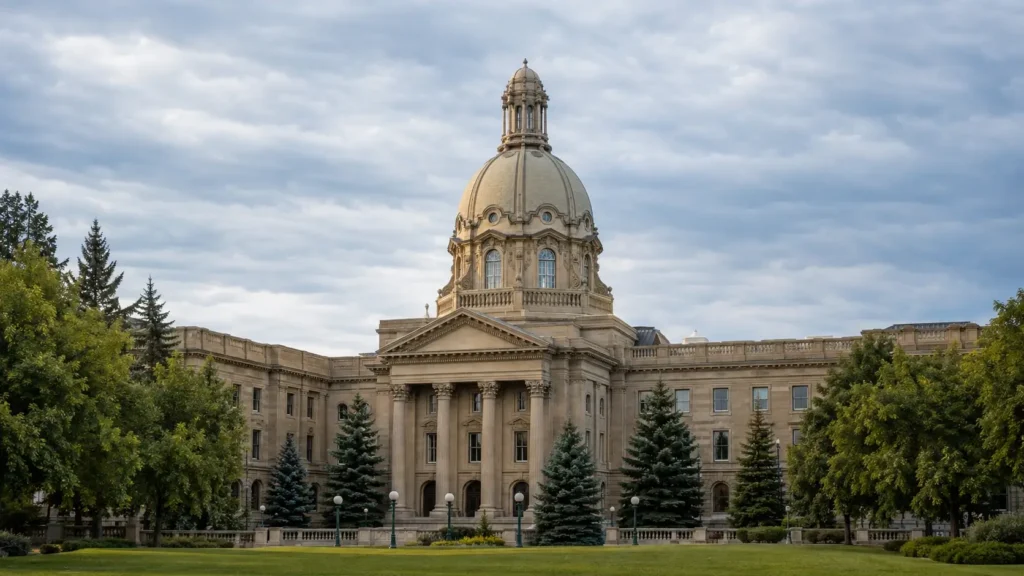
The regulated professions carry the same exposure they do everywhere — physicians, dentists, lawyers, engineers, accountants and realtors all sit under governing bodies where a complaint triggers a process regardless of merit. Alberta's engineering profession is disproportionately large relative to population, which widens that exposure.
Beyond those, the pattern is consistent across healthcare, education, real estate, hospitality and the trades. Fort McMurray and the camp-based workforce present a specific version of the problem: small, closed communities where reputation travels faster than anywhere else in the province.
Red Deer, Lacombe, Sylvan Lake and Olds.
Southern Alberta cities with no dedicated group — posts typically appear in the Calgary group.
Seasonal and hospitality workforces with high turnover and dense social networks.
Removal addresses what exists today. Reposting is most likely in the period immediately following a takedown, particularly where several members shared the original.
Continued watching of the group network is available as AWDTSG monitoring, a separate paid service priced independently of removal work.
Our pricing is published on the AWDTSG removal pricing page. All prices are in US dollars. Alberta clients pay the listed USD amount and your card issuer applies the exchange rate — no separate Canadian rate, no international surcharge.
Matters involving multiple posts across several groups are quoted at consultation.
We are not a law firm. What we do is the operational work of getting content removed — locating every instance, documenting it properly, framing submissions correctly, and escalating when a first attempt fails.
For Alberta matters specifically, the useful thing we bring is knowing that the province has two distinct routes and that they cover different ground. The 2017 statute is narrow but requires no proof of damage. The Shillington tort is broader and reaches true information. Knowing which one your situation touches, if either, changes what leverage sits behind a takedown submission.
We tell clients at intake what we assess their prospects to be, including when the answer is difficult. Every matter is handled confidentially.
You cannot check the groups yourself — they are private and women-only. Our checker service scans the Alberta group network and reports what exists.
No. The network directs people to the nearest listed group, so posts about Lethbridge residents typically appear in the Calgary group.
Not necessarily. The Alberta tort recognised in ES v. Shillington can apply to true private information. Truth is a defence to defamation, but not to every claim.
Escalated matters take longer.
No. We do not contact the poster, the group administrators, or anyone connected to you.
Usually not. Most matters resolve through platform removal, which is faster and considerably cheaper than litigation. Where a legal route is worth considering, we will say so and you can take independent advice.
BOOK A CONFIDENTIAL ALBERTA AWDTSG CONSULTATION
Tell us what you have found. We will scan for everything else, tell you what we assess is achievable, and set out costs before you commit to anything.
★★★★★ Rated 5.0 on Google · 96 reviews