
Coverage across Louisville (core, East End), Lexington and the Bluegrass, Northern Kentucky (Covington, Newport, Florence and the Cincinnati-overflow zone), Bowling Green, Owensboro, and the Kentucky-relevant Reddit and Tea app surfaces.
Kentucky's KRS § 531.120 carries escalating felony penalties for profit-motivated dissemination and expressly requires website operators to remove content on request — particularly useful against commercial AWDTSG-mirror sites.
Most removals done within 14 days. Not removed within 30 days? Full refund.
Flat-fee engagement covering scan through written confirmation, with 30 days of post-removal monitoring included by default.
Kentucky AWDTSG engagements run as an integrated scan-and-removal workflow under one flat fee. The Kentucky scan defaults to sweeping the Louisville main group, the East End spin-off, the Lexington Bluegrass cluster, the Northern Kentucky Cincinnati-overflow groups, the Bowling Green WKU community, and the Kentucky-relevant Reddit subs and Tea app content. Takedowns are framed against KRS § 531.120 — Kentucky’s NCII statute, which carries escalating felony penalties for profit-motivated dissemination and expressly requires website operators to remove content on request.
Kentucky AWDTSG activity concentrates around Louisville and Lexington with significant Cincinnati-overflow activity in Northern Kentucky. We handle takedowns across all of them, including:
Because Northern Kentucky overlaps so heavily with Cincinnati metro groups, a clean takedown for any Northern Kentucky client frequently has to address the Cincinnati side in parallel. A removal that addresses only the Kentucky side leaves screenshots circulating in the Cincinnati overflow within hours. The Kentucky workflow defaults to sweeping the Cincinnati metro surfaces whenever the case touches Covington, Newport, Florence, or the broader Northern Kentucky commuter belt.
Our removal process for Kentucky clients is built around the state’s specific group structure, statutes, and professional ecosystems. The 6 steps below are the standard Kentucky workflow. Most removals done within 14 days. Not removed within 30 days? Full refund.
Encrypted video call with our Nashville office team for Louisville, Lexington, and Bowling Green cases; our Chicago HQ for Northern Kentucky cases that overlap with the Cincinnati metro. Calls run 30 to 45 minutes and end with a fixed-fee quote and an evidence-collection checklist.
Structured Kentucky sweep: Louisville main group and East End spin-off, Lexington main group, Northern Kentucky regional groups (with parallel Cincinnati-metro coverage), Bowling Green WKU group, Owensboro Western Kentucky group, and the Kentucky Reddit subs (r/Louisville, r/Kentucky, r/lexington — plus r/cincinnati for Northern Kentucky overflow) plus Tea app content. Most scans complete within 24 hours.
The takedown case is framed around KRS § 531.120, which has two features unusually useful for AWDTSG work. First, the statute carries escalating felony penalties for profit-motivated dissemination, including Class C felony liability for subsequent commercial offenses — useful against commercial AWDTSG-mirror sites. Second, it expressly requires website operators to remove content on request and prohibits fee-for-removal schemes.
Platform submissions go to Meta for the AWDTSG groups, Reddit’s content policy team (including r/cincinnati for Northern Kentucky cases), and the Tea app. Kentucky’s statute is platform-recognizable, and the express remove-on-request provision frequently shortens the response time on commercial-mirror cases.
Every removal recorded in writing — surface, date, platform action. Kentucky cases stalled past 96 hours escalate through platform contacts and, on higher-stakes matters, through Kentucky counsel-issued preservation letters citing § 531.120 and the express remove-on-request provision.
30-day monitoring window included by default. Sweeps every 7-10 days across every surface the original content touched. Kentucky’s two-metro plus Cincinnati-overflow structure makes the monitoring window particularly important for Northern Kentucky clients — content can resurface across the Ohio River within days.
Kentucky has a meaningful combined statutory framework for removing non-consensual intimate imagery. For Kentucky residents, these statutes often strengthen an AWDTSG takedown case beyond what platform policy alone would support. Note: MGMT Reputation is not a law firm, and nothing on this page is legal advice — but these are the statutes that frequently matter in the cases we handle.

Kentucky’s criminal NCII statute makes it a Class A misdemeanor — and a Class D felony on subsequent offense — to intentionally distribute private erotic material without the depicted person’s written consent, with intent to profit or to harm, harass, intimidate, threaten, or coerce. Where the dissemination is for profit or gain, the first offense is itself a Class D felony, escalating to Class C for subsequent offenses. The statute expressly states that consent to creation does not constitute consent to distribution — closing the loophole that affects some other state statutes. It also requires website operators to remove material on request and prohibits fee-for-removal schemes.


Kentucky adopted UPEPA in 2023, giving the state a modern anti-SLAPP regime. It cuts both ways: it raises the bar for weak defamation claims intended to silence protected speech, but it also sharpens the standard for legitimate defamation claims involving provably false AWDTSG statements. We work with Kentucky counsel where a defamation angle is supportable.
Kentucky common law provides remedies for libel and slander where AWDTSG content contains specific, identifiable, provably false statements of fact about a Kentucky resident — particularly allegations of criminal conduct, professional misconduct, or sexually transmitted infection. Defamation per se categories carry meaningful force in Kentucky professional licensing and bar contexts.
Kentucky does not currently have a dedicated state-level civil cause of action specific to non-consensual intimate imagery, but Kentucky residents have access to the federal civil cause of action created by VAWA 2022, which allows victims to recover damages and attorneys’ fees for the disclosure of intimate visual depictions without consent.
In practice, these statutes give Kentucky clients more leverage than clients in states without equivalent frameworks. The escalating felony penalties for profit-motivated dissemination are particularly useful in cases involving sites that monetize AWDTSG content. We fold the relevant citations into our takedown requests where they apply, which often shortens the removal timeline.
Kentucky AWDTSG cases escalate quickly because Louisville and Lexington concentrate healthcare, equine, bourbon, and manufacturing into tight regional ecosystems. Being named in a group is painful anywhere. In Kentucky, a screenshot can reach a hospital administrator, a Thoroughbred owner, a Toyota engineer, or a distillery executive through overlapping Louisville or Lexington networks in the same week.
Norton Healthcare, Baptist Health, and the University of Louisville Hospital anchor the Louisville medical community. UK HealthCare anchors Lexington. Senior physicians and administrators are subject to continuous credentialing review.
Lexington's Bluegrass horse industry — the Keeneland sales, the Thoroughbred farms, the Triple Crown ecosystem — operates on tight reputational networks where AWDTSG exposure can directly affect ownership, training, and breeding relationships.
Brown-Forman, Beam Suntory, Buffalo Trace, and the broader Kentucky Bourbon Trail support a senior executive and master distiller community where reputation drives brand and distribution relationships.
Toyota's Georgetown plant — its largest manufacturing facility in the world — plus Ford's Louisville operations and GE Appliances. Senior engineering and management staff are subject to reputational review.
Kentucky BigLaw partners, the Louisville and Lexington legal communities, and Frankfort state government professionals are diligenced on lateral moves, partnership tracks, and bar standing.
The University of Kentucky, the University of Louisville, Western Kentucky University, and Fort Knox create academic and military-adjacent professional populations where AWDTSG exposure can interact with Title IX or security clearance review.
Kentucky cases run out of our Nashville office for Louisville, Lexington, and the south-central Kentucky corridor (Bowling Green is closer to Nashville than to Louisville), and our Chicago HQ for Northern Kentucky cases that overlap with the Cincinnati metro. All intake is encrypted remote video; no travel required. The Kentucky regions below come up most often in our casework:
Downtown, the Highlands, NuLu, Old Louisville, Crescent Hill, and the inside-264 neighborhoods.
St. Matthews, Anchorage, Prospect, Middletown, and the eastern Jefferson County professional belt.
Lexington, Versailles, Georgetown, Nicholasville, and the surrounding horse country.
Covington, Newport, Florence, Fort Mitchell, Edgewood, and the Northern Kentucky commuter belt.
Bowling Green, Glasgow, and the WKU corridor.
Owensboro, Henderson, and the broader Western Kentucky region.
Pikeville, Ashland, Somerset, and the Eastern Kentucky professional belt.
Every other region of Kentucky. The entire AWDTSG removal process is handled over secure intake and encrypted video. No travel required.
A confirmed takedown stops the active post. The persistent risk is the chain of screenshots captured before our involvement — and in Kentucky, that chain has two distinct patterns. Louisville and Lexington resurfacing tends to stay within the originating metro. Northern Kentucky content moves fluidly across the Ohio River into Cincinnati spin-offs and back. The monitoring cadence is calibrated to catch both patterns.
Kentucky’s combination of two anchor metros plus the Northern Kentucky Cincinnati-overflow zone makes resurfacing patterns predictable but persistent. For Kentucky clients at Norton, Baptist Health, Brown-Forman, Toyota Georgetown, the major Louisville and Lexington law firms, the equine community, or the UK and U of L communities, even a 24-hour exposure window can reach a managing partner, a hospital credentialing committee, or a Title IX coordinator.
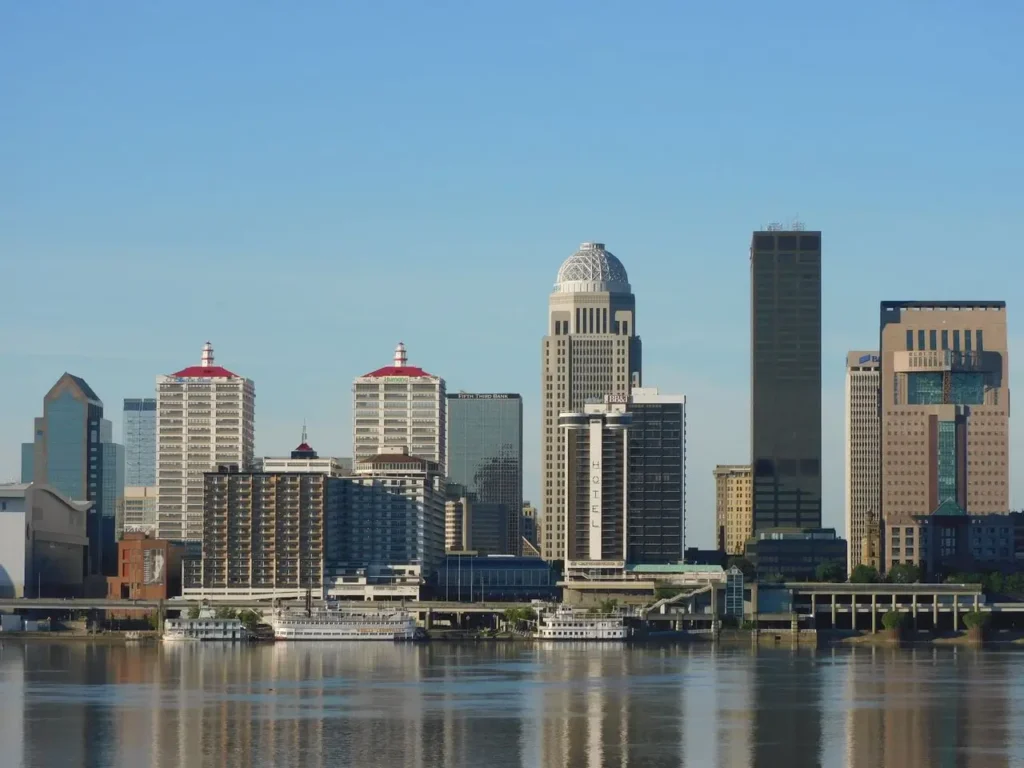
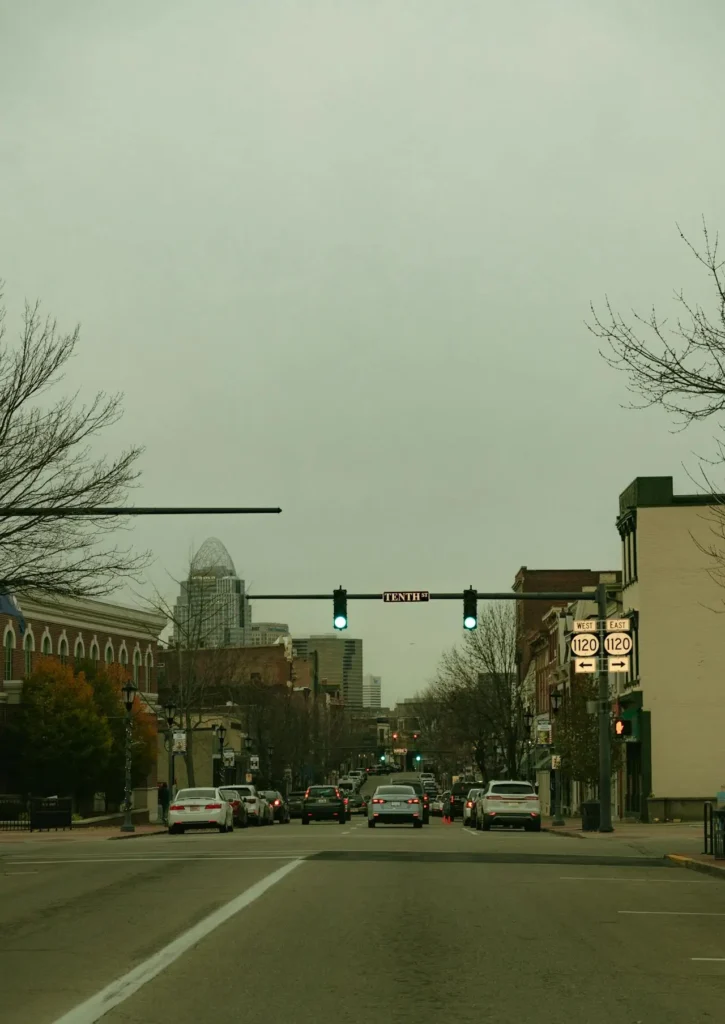
AWDTSG REMOVAL KENTUCKY
Full end-to-end engagement: consultation, statewide scan with parallel Cincinnati-metro coverage where Northern Kentucky is involved, legal framing under KRS § 531.120, platform submissions, written confirmation, and 30 days of monitoring. The Kentucky scan covers Louisville, Lexington, Northern Kentucky, Bowling Green, and the relevant Reddit and Tea-app surfaces as a single flat-fee engagement.
Most removals done within 14 days. Not removed within 30 days? Full refund. Cases that proceed under KRS § 531.120 often move faster because Kentucky’s statute carries escalating felony penalties for profit-motivated dissemination — which is the structure that describes commercial AWDTSG-mirror sites — and expressly requires website operators to remove material on request.
Flat fee quoted at the end of the consultation. Kentucky cases generally fall within our standard pricing band, with the upper end reserved for matters involving commercial AWDTSG-mirror sites (which invoke § 531.120’s profit-motivated felony escalation) or cases spanning the Cincinnati overflow. No retainer, no hourly billing. The quote covers the full engagement through written confirmation.
Active posts stay down once confirmed. Pre-takedown screenshots can resurface, particularly in Northern Kentucky where the Cincinnati overflow makes resurfacing bidirectional. The 30-day monitoring window catches most of it. Extended monitoring is recommended for clients at Norton, Baptist Health, Brown-Forman, Toyota Georgetown, the major Louisville and Lexington law firms, the equine community, and the UK and U of L medical communities.
Typically no. Meta’s takedown process does not disclose the requesting party. For Kentucky clients pursuing civil remedies under federal VAWA 2022 or common law invasion-of-privacy and defamation theories with counsel, the requesting party can also remain shielded through structured legal process. All intake and case communications are handled under NDA.
All covered as standard scope. The Kentucky subreddits (r/Louisville, r/Kentucky, r/lexington) plus r/cincinnati for Northern Kentucky overflow, and the Tea app are part of the default sweep. Commercial AWDTSG-mirror sites are specifically addressed by KRS § 531.120’s escalating felony provisions for profit-motivated dissemination — which gives takedown requests against commercial mirror operators strong statutory weight.
The default Kentucky sweep covers the documented main groups (Louisville, Lexington), the regional spin-offs (Louisville East End, Northern Kentucky, Bowling Green, Owensboro), the Cincinnati-overflow surfaces for Northern Kentucky cases, and the relevant Reddit and Tea-app content. The written scan report is delivered before any takedown action — so the client sees the full picture before approving scope.
Kentucky AWDTSG cases tend to move along tight regional networks — Norton, Baptist Health, the Brown-Forman and Beam distilling community, the Lexington equine industry, the major Louisville and Lexington law firms, and the UK and U of L medical communities. In Northern Kentucky, content also moves across the river into the Cincinnati metro within hours. Book a confidential consultation directly on our Calendly. The call runs out of our Nashville office or our Chicago HQ depending on the case, takes 30 to 45 minutes, and ends with a fixed quote or — if there’s nothing actionable — a written confidential report.
★★★★★ Rated 5.0 on Google · 96 reviews
AWDTSG removal Kentucky centers on the Louisville metro and the Lexington–Bluegrass corridor, with secondary clusters in Northern Kentucky (which functions as an extension of the Cincinnati metro), Bowling Green, and Owensboro. Louisville anchors the state’s healthcare and bourbon industries; Lexington concentrates equine, finance, and the University of Kentucky academic community. The Northern Kentucky cities — Covington, Newport, Florence — run group activity that overlaps heavily with Cincinnati AWDTSG groups. Kentucky’s NCII statute (KRS § 531.120) is structured around intent to profit or harm and carries escalating felony penalties for profit-motivated dissemination, and the state adopted the Uniform Public Expression Protection Act in 2023, modernizing its anti-SLAPP framework.