
Coverage across Fairfield County, Hartford, New Haven, Bridgeport–Waterbury, and Eastern Connecticut — plus the NYC overflow groups that pick up Connecticut commuters.
Connecticut clients have access to Class D felony NCII liability under § 53a-189c when dissemination is via interactive computer service — the fact pattern that fits AWDTSG.
Most removals done within 14 days. Not removed within 30 days? Full refund.
Written removal confirmation on every Connecticut engagement, with continuous monitoring available across all surfaces.
Connecticut AWDTSG work has two integrated halves that we handle together so they aren’t fragmented across vendors. The first is the scan — we sweep the Connecticut regional groups, the NYC overflow groups that capture Fairfield County, the uncensored spin-offs, and the Reddit and Tea-app mirrors to find out what’s actually out there. The second is removal — every surface that surfaces in the scan gets a takedown submitted, framed against Conn. Gen. Stat. § 53a-189c where the post meets the statute, and tracked to written confirmation. Connecticut clients get both phases under one flat engagement, with no surprise scope creep.
Connecticut AWDTSG activity splits along the state’s commuter and professional geography, with Fairfield County operating as both its own group cluster and an extension of the NYC metro. We handle takedowns across all of them, including:
The practical consequence of Connecticut’s geography is that a Fairfield County takedown that ignores the NYC metro overflow is incomplete by definition. The same post screenshot gets re-uploaded to the NYC metro group within hours of removal from the Connecticut group. Our Connecticut workflow always sweeps both ecosystems in parallel and confirms removal from every surface in writing before we close a case.
Our removal process for Connecticut clients is built around the state’s specific group structure, statutes, and professional ecosystems. The 6 steps below are the standard Connecticut workflow. Most removals done within 14 days. Not removed within 30 days? Full refund.
Confidential 30-to-45-minute video call. Fairfield County and Hartford cases run out of our Buffalo office during weekday hours; cases that cross into the NYC overflow groups run out of our Chicago HQ. The call always ends with a fixed-fee quote and an evidence-collection checklist — no follow-up estimate game.
You send what you have — screenshots, URLs, group names. We then run a structured Connecticut sweep covering the main Connecticut regional group, the Fairfield County and Hartford uncensored spin-offs, the NYC metro overflow groups, and the Connecticut-relevant Reddit and Tea-app surfaces. Scan completes within 24 hours and you receive a written inventory of every surface where content was found.
We build the takedown case around Conn. Gen. Stat. § 53a-189c — particularly the Class D felony designation that applies when dissemination is via an interactive computer service, which is the structure that describes AWDTSG groups, Reddit threads, and the Tea app. Where Connecticut common-law defamation or the federal VAWA 2022 civil pathway is supportable, we note those for parallel civil action.
Takedown requests go through Meta’s report channels for the AWDTSG groups, Reddit’s content policy team for the Connecticut and NYC subreddits, and the Tea app’s report flow. Each submission is platform-specific and statute-cited. Generic submissions get rejected; identity-verified, statute-cited submissions get prioritized.
We track every submission to confirmed removal. Connecticut cases that stall past 96 hours escalate through platform contacts and, on higher-stakes matters, through Connecticut counsel-issued preservation letters citing § 53a-189c. Every removal is recorded with date, surface, and platform action.
30 days of monitoring included by default — sweeps every 7-10 days across every surface the original content touched, plus alerts on Connecticut-specific keywords. Resurfacing during the monitoring window triggers an immediate follow-up takedown at no additional cost.
Connecticut has a meaningful combined statutory framework for removing non-consensual intimate imagery. For Connecticut residents, these statutes often strengthen an AWDTSG takedown case beyond what platform policy alone would support. Note: MGMT Reputation is not a law firm, and nothing on this page is legal advice — but these are the statutes that frequently matter in the cases we handle.

Connecticut’s primary non-consensual intimate imagery statute makes it a Class A misdemeanor to intentionally disseminate an image of another person’s genitals, pubic area, or buttocks, or of the person engaged in sexual intercourse, without consent and where the depicted person suffers harm. Dissemination to more than one person via an interactive computer service — the structure that describes AWDTSG groups, Reddit, and the Tea app — is a Class D felony. The statute’s definition of “harm” expressly includes subjecting the person to hatred, contempt, ridicule, financial injury, psychological harm, or serious emotional distress, which maps directly onto the typical AWDTSG fact pattern.


Connecticut common law provides remedies for libel and slander where AWDTSG content contains specific, identifiable, provably false statements of fact about a Connecticut resident — including allegations of criminal conduct, professional misconduct, or sexually transmitted infection. Defamation per se categories carry meaningful force in Connecticut professional licensing and bar contexts.
Connecticut’s anti-SLAPP statute provides an expedited path for dismissing weak defamation claims aimed at silencing protected speech, and conversely sharpens the standard for legitimate defamation claims involving provably false AWDTSG statements. We work with Connecticut counsel where a defamation angle is supportable.
Connecticut does not currently have a state-level civil cause of action specific to non-consensual intimate imagery, but Connecticut residents have access to the federal civil cause of action created by VAWA 2022, which allows victims to recover damages and attorneys’ fees for the disclosure of intimate visual depictions without consent. This federal pathway is used in Connecticut cases where a civil monetary recovery is appropriate.
In practice, these statutes give Connecticut clients more leverage than clients in states without equivalent frameworks. We fold the relevant citations into our takedown requests where they apply, which often shortens the removal timeline.
Connecticut AWDTSG cases escalate quickly because the state’s professional density is unusually high for its size. Being named in a group is painful anywhere. In Connecticut, a screenshot can reach a managing director, a hedge fund principal, an insurance executive, or a partner through overlapping NYC and Connecticut professional networks in the same week.
Greenwich, Stamford, and the Fairfield County corridor are home to one of the densest concentrations of hedge funds, private equity firms, and family offices in the country. AWDTSG threads naming a managing director or principal frequently reach compliance and HR within days.
Hartford is the historic capital of the U.S. insurance industry — The Hartford, Travelers, Aetna, and a deep bench of underwriters and actuaries. Senior executives are subject to continuous reputational diligence.
Connecticut BigLaw partners, NYC commuter attorneys, and the dense in-house counsel community at Fortune 500 headquarters are diligenced on lateral moves, partnership tracks, and bar standing.
Yale New Haven Health, Hartford HealthCare, and the New Haven biotech corridor sit in a strict licensing environment where AWDTSG allegations can interact with credentialing and board review.
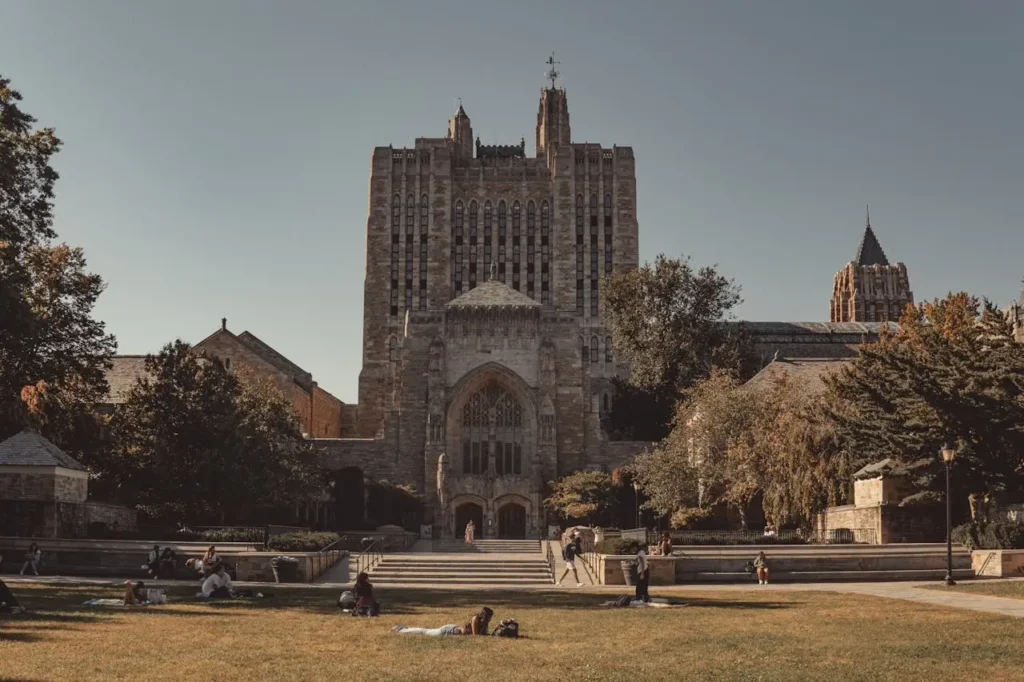
Yale University, the University of Connecticut, Wesleyan, and Trinity operate Title IX and conduct review structures that take AWDTSG allegations seriously even when the underlying content is personal.
Connecticut hosts dozens of Fortune 500 and Fortune 1000 headquarters and a deep bench of senior corporate executives, particularly across Fairfield County. Reputation runs through compliance and board review continuously.
Connecticut cases run out of our Buffalo office for Fairfield County and the Hartford corridor, and our Chicago HQ when the case crosses into the NYC overflow groups. All intake is handled over encrypted video — no travel required, no need to come into either office. The regions below come up most often in our Connecticut casework:
Greenwich, Stamford, Darien, New Canaan, Westport, Norwalk, and the broader Fairfield County commuter belt.
Hartford, West Hartford, Glastonbury, Simsbury, Farmington, and the broader Hartford metro.
New Haven, Hamden, Branford, Guilford, Madison, and the Long Island Sound shoreline.
Bridgeport, Stratford, Trumbull, Waterbury, Naugatuck, and the industrial corridor.
New London, Mystic, Groton, Norwich, Stonington, and the Foxwoods–Mohegan Sun corridor.
Litchfield County including Litchfield, Washington Depot, Salisbury, Kent, and the Berkshire foothills.
Every other region of Connecticut. The entire AWDTSG removal process is handled over secure intake and encrypted video. No travel required.
A confirmed takedown stops the active post. It does not stop the screenshots captured before our intervention. Connecticut content has an unusually long tail because the Fairfield County and NYC overflow ecosystems share so many participants — a screenshot taken in the main Connecticut group on a Tuesday can resurface in an NYC metro spin-off by Friday, and mirror to a Reddit thread the following week. Ongoing monitoring is the only durable answer.
Connecticut’s tight overlap with the NYC metro groups makes resurfacing more likely here than in most states. Screenshots captured before the original removal regularly re-surface in spin-off groups, cross-post to Reddit, or mirror on TikTok and the Tea app weeks or months later. For Connecticut clients in finance, insurance, law, and corporate executive roles, even a 24-hour exposure window can reach a managing director, a partner, or a board member.
AWDTSG REMOVAL CONNECTICUT
Full end-to-end takedown — scan, legal framing, platform submission, written confirmation, and a 30-day monitoring window. The Connecticut scan covers the main regional group, Fairfield County and Hartford spin-offs, the NYC overflow groups that capture Connecticut commuters, and the Reddit and Tea-app mirrors. The fee is flat — quoted at the end of the consultation and not contingent on the number of posts or surfaces involved.
Most removals done within 14 days. Not removed within 30 days? Full refund. Cases that proceed under § 53a-189c often move faster because dissemination to multiple persons via an interactive computer service — the structure that describes AWDTSG groups, Reddit, and the Tea app — is a Class D felony in Connecticut, which gives platforms a clearer pathway when our takedown request cites the statute.
Flat-fee pricing, quoted at the end of the consultation once we understand the scope. Connecticut cases generally fall within our standard pricing band, with the upper end reserved for matters that involve significant NYC overflow exposure or commercial mirror sites. No hourly billing, no retainer. The quote covers the full engagement through written confirmation of removal.
Active posts stay removed in almost every case once platform action is confirmed. The realistic exposure is from screenshots captured before our intervention — those can resurface in spin-off groups, on Reddit, or on the Tea app weeks or months later. Connecticut’s overlap with the NYC overflow groups makes this more common here than in geographically isolated states. The 30-day monitoring window catches most of it; extended monitoring is available for clients in finance and law where the exposure window matters.
Typically no. Meta’s takedown process does not disclose the requesting party. For Connecticut clients pursuing civil remedies under the federal VAWA 2022 pathway with counsel, the requesting party can also remain shielded through structured legal process. All intake and case communications are handled under NDA.
Standard scope. The Connecticut subreddits (r/Connecticut, r/Hartford, r/NewHaven, r/Bridgeport, plus the NYC subreddits that capture Connecticut commuters) and the Tea app’s Connecticut-flagged content are part of the scan and the takedown package by default. Cross-platform mirrors are where most resurfacing happens and we don’t price them separately.
Connecticut’s group structure is documented in our working inventory — main regional group, Fairfield County and Hartford uncensored spin-offs, cross-border NYC overflow groups, plus the relevant Reddit and Tea-app surfaces. The default sweep covers all of them. If a client knows of a specific group or thread, that gets added; if not, our default scan typically surfaces what’s out there within 24 hours.
Connecticut AWDTSG cases move quickly — the overlap with the NYC metro groups means exposure compounds faster here than in most states. If you’ve been posted in a Connecticut group, or you suspect you have and want a confidential scan, book a consultation directly on our Calendly. Initial calls run 30 to 45 minutes over encrypted video, handled out of our Buffalo office during weekday hours and our Chicago HQ otherwise. Every consultation ends with a fixed quote or, if there’s nothing to remove, a clean confidential report.
★★★★★ Rated 5.0 on Google · 96 reviews

AWDTSG removal Connecticut runs through one of the densest professional ecosystems in the country. Fairfield County is essentially the southwestern extension of the New York City metro — Greenwich, Stamford, New Canaan, and Darien commute into Manhattan finance, law, and media every day, and the AWDTSG content that surfaces there moves between the NYC and Connecticut regional groups constantly. The rest of the state — Hartford’s insurance and healthcare belt, the New Haven academic and biotech corridor around Yale, and the Bridgeport–Waterbury industrial cities — runs its own dense local groups with active uncensored spin-offs. Connecticut has one of the older non-consensual intimate imagery statutes in the country and a modern anti-SLAPP framework that strengthens both takedown requests and defensive posture in disputed cases.