
Coverage across New Orleans (core, Jefferson Parish, Northshore), Baton Rouge and the LSU corridor, Lafayette and Acadiana, Shreveport–Bossier, Lake Charles, and the Louisiana-relevant Reddit and Tea app surfaces.
Louisiana's § 14:283.2 carries up to two years' imprisonment and a $10,000 fine — one of the heavier-penalty NCII frameworks in the Gulf South. Louisiana law also addresses non-consensual intimate imagery under state statutory provisions.
Most removals done within 14 days. Not removed within 30 days? Full refund.
Flat-fee engagement covering scan through written confirmation, with 30 days of post-removal monitoring included by default.
Louisiana AWDTSG engagements run as an integrated scan-and-removal workflow under one flat fee. The Louisiana scan defaults to sweeping the New Orleans main group plus the Jefferson Parish and Northshore spin-offs, the Baton Rouge LSU and capital cluster, the Lafayette Acadiana group, the Shreveport–Bossier northwest Louisiana group, the Lake Charles southwest petrochemical group, and the Louisiana-relevant Reddit subs and Tea app content. Takedowns are framed against La. R.S. § 14:283.2 (criminal NCII), with parallel civil framing under Civil Code Article 2315 where appropriate.
Louisiana AWDTSG activity splits across the state’s four professional regions — New Orleans, Baton Rouge, Lafayette, and Shreveport–Bossier — with the densest activity in New Orleans. We handle takedowns across all of them, including:
Because Louisiana’s four professional regions are geographically dispersed, a clean Louisiana takedown typically focuses on a single regional group plus its associated spin-offs and Reddit mirrors. Cases involving statewide legal or political professionals can span New Orleans and Baton Rouge in parallel — and offshore-energy services cases occasionally touch Lafayette, Lake Charles, and the Houma–Thibodaux corridor simultaneously where the same professional moves between offshore project sites.
Our removal process for Louisiana clients is built around the state’s specific group structure, statutes, and professional ecosystems. The 6 steps below are the standard Louisiana workflow. Most removals done within 14 days. Not removed within 30 days? Full refund.
Encrypted video call with our Nashville office team for New Orleans, Baton Rouge, and Lafayette cases; our Chicago HQ for Shreveport–Bossier (which is closer to Dallas than to New Orleans) and multi-region matters. Calls run 30 to 45 minutes and end with a fixed-fee quote and an evidence-collection checklist.
Structured Louisiana sweep: New Orleans main group plus Jefferson Parish and Northshore spin-offs, Baton Rouge group, Lafayette Acadiana group, Shreveport–Bossier group, Lake Charles southwest group, and the Louisiana Reddit subs (r/NewOrleans, r/Louisiana, r/batonrouge, r/lafayette) plus Tea app content. Most scans complete within 24 hours.
The Louisiana takedown case is framed around § 14:283.2 (criminal NCII, up to two years’ imprisonment and $10,000 fine — among the heavier-penalty frameworks in the Gulf South). Civil framing draws on Civil Code Article 2315, Louisiana’s general tort provision.
Platform submissions go to Meta for the AWDTSG groups, Reddit’s content policy team for the Louisiana subreddits, and the Tea app. Louisiana’s statutory framework reads as enforceable to platform compliance teams, and statute-cited submissions get faster response than generic reports.
Every removal recorded in writing — surface, date, platform action. Louisiana cases stalled past 96 hours escalate through platform contacts and, on higher-stakes matters, through Louisiana counsel-issued preservation letters citing § 14:283.2 and, where applicable, § 14:73.14.
30-day monitoring window included by default. Sweeps every 7-10 days across every surface the original content touched. Louisiana’s four-region structure makes most resurfacing stay in the originating region, so the monitoring window typically catches the full resurfacing cycle — except for offshore-energy and statewide-legal cases where cross-region resurfacing requires tighter sweeps.
Louisiana has a meaningful combined statutory framework for removing non-consensual intimate imagery. For Louisiana residents, these statutes often strengthen an AWDTSG takedown case beyond what platform policy alone would support. Note: MGMT Reputation is not a law firm, and nothing on this page is legal advice — but these are the statutes that frequently matter in the cases we handle.

Louisiana’s criminal NCII statute makes it a crime to intentionally disclose an image of another person whose intimate parts are exposed or who is engaged in sexual conduct, when the image was obtained through unauthorized access or under circumstances where a reasonable person would understand it was to remain private, and the discloser knew or should have known the depicted person did not consent and that disclosure could cause harassment or emotional distress. The offense carries a fine of up to $10,000, imprisonment with or without hard labor for up to two years, or both — making Louisiana’s statute one of the heavier-penalty NCII frameworks in the Gulf South.

Louisiana law addresses non-consensual intimate imagery and related digitally manipulated content under state criminal statutes, including provisions aimed at unlawful dissemination of such material when used to harass, coerce, or intimidate.
Louisiana has one of the older anti-SLAPP statutes in the country, providing an expedited path for dismissing weak defamation claims aimed at silencing protected speech, and conversely sharpening the standard for legitimate defamation claims involving provably false AWDTSG statements. We work with Louisiana counsel where a defamation angle is supportable.
Louisiana’s mixed civil-law tradition gives the state a distinctive defamation framework rooted in Civil Code Article 2315 (general tort liability) plus common-law-style defamation doctrines developed through case law. Defamation actions are available where AWDTSG content contains specific, identifiable, provably false statements of fact about a Louisiana resident.
In practice, these statutes give Louisiana clients more leverage than clients in states without equivalent frameworks. The state’s statutory framework is treated as particularly relevant in enforcement contexts involving non-consensual intimate imagery. We fold the relevant citations into our takedown requests where they apply, which often shortens the removal timeline.
Louisiana AWDTSG cases escalate quickly because the state’s four professional regions concentrate energy, petrochemicals, healthcare, hospitality, and legal services into tight regional ecosystems. Being named in a group is painful anywhere. In Louisiana, a screenshot can reach an offshore-services executive, a BigLaw partner, a hospital administrator, or a hospitality director through overlapping regional networks in the same week.
Louisiana is one of the country's largest petrochemical and offshore-energy hubs — the corridor between Baton Rouge and New Orleans, the Lake Charles LNG and refining complex, and the Lafayette offshore-services community. Senior staff at majors and contractors are subject to continuous reputational diligence.
New Orleans's hospitality industry — restaurants, hotels, the convention business, the music and festival economy — operates on tight professional networks where AWDTSG exposure can directly affect brand and booking relationships.
Louisiana BigLaw partners, the New Orleans and Baton Rouge legal communities, in-house counsel at energy majors, and maritime attorneys are diligenced on lateral moves, partnership tracks, and bar standing.
Ochsner Health, LCMC Health, Our Lady of the Lake (Baton Rouge), and the Tulane and LSU medical communities. Senior physicians and administrators are subject to continuous credentialing review.
Tulane, LSU, Loyola New Orleans, the University of Louisiana at Lafayette, and Louisiana Tech operate Title IX and conduct review structures that take AWDTSG allegations seriously.
The Port of New Orleans, the Port of South Louisiana (one of the largest in the country by tonnage), and the broader Louisiana maritime industry support a senior professional class where AWDTSG exposure can interact with port-authority and Coast Guard review.
Louisiana cases run out of our Nashville office for New Orleans, Baton Rouge, and Lafayette, and our Chicago HQ for Shreveport–Bossier (which is closer to Dallas than to New Orleans) and matters that touch multiple Louisiana regions. All intake is encrypted remote video; no travel required. The Louisiana regions below come up most often in our casework:
The French Quarter, Garden District, Uptown, the Marigny, Bywater, Treme, and the inside-Orleans Parish neighborhoods.
Metairie, Kenner, Mandeville, Covington, Slidell, and the broader Jefferson and St. Tammany Parish suburbs.
Baton Rouge, Zachary, Denham Springs, and the surrounding LSU and state-government community.
Lafayette, Broussard, Youngsville, Scott, and the Acadiana corridor.
Shreveport, Bossier City, Haughton, and the northwest Louisiana professional belt.
Lake Charles, Sulphur, Westlake, and the southwest petrochemical corridor.
Alexandria, Pineville, and the central Louisiana professional community.
Every other region of Louisiana. The entire AWDTSG removal process is handled over secure intake and encrypted video. No travel required.
A confirmed takedown stops the active post. The persistent risk is from screenshots captured before our involvement — and in Louisiana that risk tends to be regionally contained, with two notable exceptions. Offshore-energy services cases follow workers between Lafayette, Lake Charles, and Houma. Statewide legal and political cases follow professionals between New Orleans and Baton Rouge. The monitoring cadence is calibrated for both patterns.
Louisiana’s four-region structure means resurfacing tends to be regional, but cases involving statewide professionals — BigLaw, state government, statewide hospital systems — can spread across multiple regions quickly. For Louisiana clients at Ochsner, LCMC, the major New Orleans and Baton Rouge law firms, the offshore-energy services community, or the Tulane and LSU communities, even a 24-hour exposure window can reach a managing partner, a credentialing committee, or a state board.
AWDTSG REMOVAL LOUISIANA
Full end-to-end engagement: consultation, regional scan (with cross-region coverage for offshore-energy and statewide-professional cases), legal framing under § 14:283.2 and § 14:73.14, platform submissions, written confirmation, and 30 days of monitoring. The Louisiana scan covers New Orleans, Baton Rouge, Lafayette, Shreveport–Bossier, Lake Charles, and the relevant Reddit and Tea-app surfaces as a single flat-fee engagement.
Most removals done within 14 days. Not removed within 30 days? Full refund. Cases that proceed under § 14:283.2 often move faster because Louisiana’s statute carries a substantial criminal penalty — up to two years’ imprisonment and $10,000 fine — which gives platforms a clear pathway when our takedown request cites the statute.
Flat fee quoted at the end of the consultation. Louisiana cases generally fall within our standard pricing band, with the upper end reserved for matters involving AI-generated content (which invokes § 14:73.14), the offshore-energy services pattern (which often touches multiple regions), or cases involving statewide legal/political professionals. No retainer, no hourly billing.
Active posts stay down once confirmed. Pre-takedown screenshots can resurface — and in Louisiana that resurfacing is typically regionally contained, with the offshore-energy and statewide-professional exceptions noted above. The 30-day monitoring window catches most of it. Extended monitoring is recommended for clients at Ochsner, LCMC, the major New Orleans and Baton Rouge law firms, the offshore-services community, or in maritime/port roles.
Typically no. Meta’s takedown process does not disclose the requesting party. For Louisiana clients pursuing civil remedies under federal VAWA 2022 or under Civil Code Article 2315 with counsel, the requesting party can also remain shielded through structured legal process. All intake and case communications are handled under NDA.
All covered as standard scope. The Louisiana subreddits (r/NewOrleans, r/Louisiana, r/batonrouge, r/lafayette) and the Tea app are part of the default sweep. AI-generated and digitally altered content is covered under Louisiana law addressing non-consensual intimate imagery and related criminal provisions, which can support deepfake-related takedown requests where applicable.
The default Louisiana sweep covers the documented main groups in all four professional regions (New Orleans, Baton Rouge, Lafayette, Shreveport–Bossier), the Jefferson Parish and Northshore spin-offs, the Lake Charles southwest group, and the relevant Reddit and Tea-app surfaces. The written scan report is delivered before any takedown action so the client sees the full picture before approving scope.
Louisiana AWDTSG cases concentrate within tight regional networks — Ochsner, LCMC, the New Orleans and Baton Rouge law firms, the offshore-energy services industry, the maritime and port community, and the hospitality professionals around the French Quarter and the Garden District. Exposure compounds quickly in any of them. Book a confidential consultation directly on our Calendly. The call runs out of our Nashville office or our Chicago HQ depending on the region, takes 30 to 45 minutes, and ends with either a fixed quote or — if there’s nothing actionable — a written confidential report.
★★★★★ Rated 5.0 on Google · 96 reviews
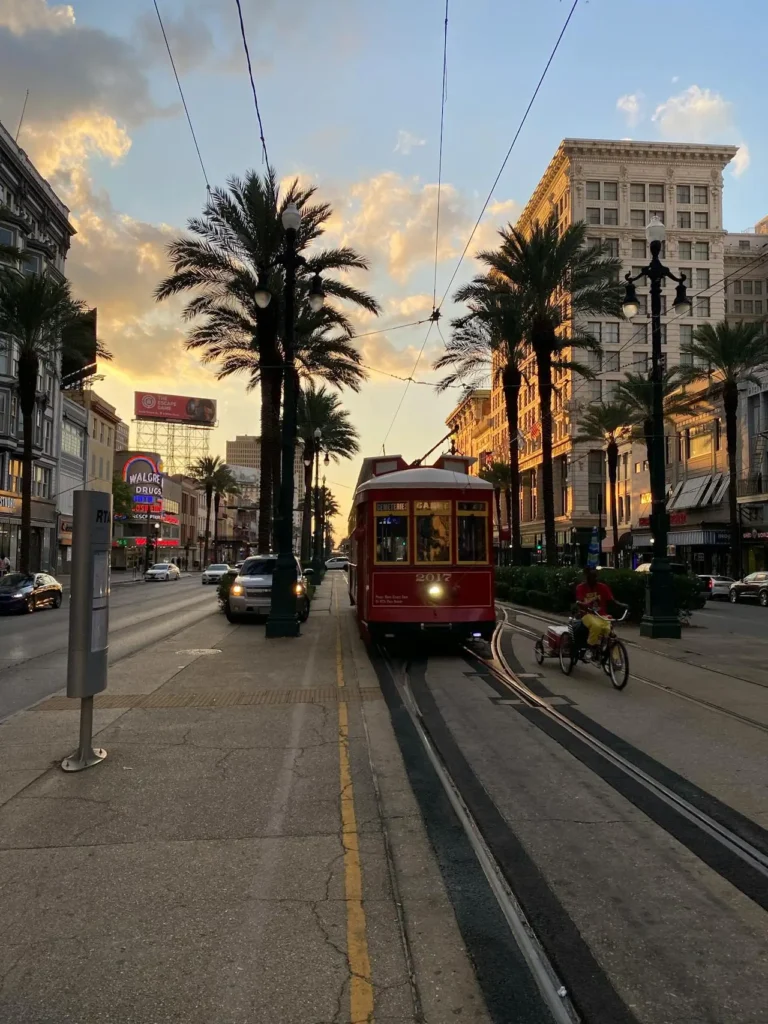
AWDTSG removal Louisiana runs through four distinct metro ecosystems — New Orleans on the Gulf, Baton Rouge as the capital and petrochemical hub, Lafayette as the heart of Cajun Country and the offshore-energy services industry, and Shreveport–Bossier in the northwest corner closer to Dallas than New Orleans. New Orleans operates the densest AWDTSG group ecosystem in the state, anchored by the hospitality, legal, and creative-professional communities. Louisiana has a strong criminal NCII statute (La. R.S. § 14:283.2) with up to two years’ imprisonment and a $10,000 fine, plus statutory remedies addressing non-consensual intimate imagery under state law, and one of the older anti-SLAPP statutes in the country (La. Code Civ. Proc. Art. 971).