
Coverage across Kansas City (city core, eastern Jackson County), St. Louis (city, county, West County), Columbia, Springfield, and Jefferson City.
Missouri's § 573.110 is one of only a handful of state statutes that combines Class D felony criminal liability with a $10K-minimum statutory civil damages framework in a single section.
72-hour median takedown timeline, with the combined criminal/civil statutory weight frequently pulling that shorter on contested platform cases.
Flat-fee engagement covering the full scope from scan through written confirmation, with 30 days of post-removal monitoring included.
Missouri AWDTSG engagements cover both metros under one workflow even when the case is concentrated in only one. The Kansas City and St. Louis ecosystems run independently, but professionals who work in healthcare, finance, or law often have networks that touch both — so the scan defaults to covering both metros plus the Mizzou and Wash U communities. Takedowns are built around Mo. Rev. Stat. § 573.110, which is unusual in providing Class D felony criminal liability plus a $10,000-minimum statutory civil damages cause of action in the same statute. Missouri clients get the full sweep and takedown for a single flat fee.
Missouri AWDTSG activity splits cleanly between the Kansas City and St. Louis metros, with secondary clusters in the university towns and capital. We handle takedowns across all of them, including:
Missouri’s bisected metro structure is tactically useful in some ways — a Kansas City takedown doesn’t usually have to chase content into the St. Louis groups, and vice versa. But cases involving statewide professionals — BigLaw partners, statewide hospital system administrators, state-government officials — frequently span both metros. We default to scanning both metros on every Missouri case and confirm written removal from every surface that produces content.
Our removal process for Missouri clients is built around the state’s specific group structure, statutes, and professional ecosystems. The 6 steps below are the standard Missouri workflow — most Missouri cases complete to written confirmation within 72 hours of receipt of the evidence package.
Encrypted video call with our Chicago HQ team. Missouri clients can usually book same-day for Kansas City or St. Louis cases, with Springfield and Columbia cases typically booking next-day. The call runs 30 to 45 minutes and ends with a fixed-fee quote and an evidence-collection checklist.
We sweep both Missouri metros by default — Kansas City main group plus eastern Jackson County spin-off, St. Louis main group plus West County and southern-suburbs spin-offs — along with the Columbia and Springfield groups, the Mizzou and Wash U communities, and the Missouri-relevant Reddit subreddits and Tea app content. Most Missouri scans complete within 24 hours.
The takedown case is framed around § 573.110, which carries unusually strong statutory weight because it combines Class D felony criminal liability with statutory civil damages of $10,000 or actual damages — whichever is greater — plus attorney’s fees. The statute also expressly states that humiliation or embarrassment alone is sufficient to show damages, which is rare and platform-useful.
Platform submissions go to Meta for the AWDTSG groups, Reddit’s content policy team for the Missouri subreddits, and the Tea app. Missouri’s combined statutory weight under § 573.110 frequently results in faster Meta response because the felony-plus-civil framework reads as more enforceable than single-pathway statutes elsewhere.
Every removal confirmed in writing — surface, date, platform action. Missouri cases that stall past 96 hours escalate through platform contacts and, on higher-stakes matters, through Missouri counsel-issued preservation letters citing § 573.110.
30-day post-removal monitoring across every surface the content touched, with sweeps every 7-10 days. Missouri’s metro-contained resurfacing pattern makes the monitoring window particularly effective — most resurfacing stays in the originating metro and gets caught in the next regular sweep.
Missouri has a meaningful combined statutory framework for removing non-consensual intimate imagery. For Missouri residents, these statutes often strengthen an AWDTSG takedown case beyond what platform policy alone would support. Note: MGMT Reputation is not a law firm, and nothing on this page is legal advice — but these are the statutes that frequently matter in the cases we handle.

Missouri’s primary NCII statute is unusual in combining criminal and civil liability in a single section. The criminal offense is a Class D felony where a person intentionally disseminates an image of another person with intent to harass, threaten, or coerce, knowing the image was obtained under circumstances where a reasonable person would understand it was to remain private. The same statute gives the depicted person a private cause of action with statutory damages of $10,000 or actual damages, whichever is greater, plus attorney’s fees. The statute expressly states that humiliation or embarrassment is an adequate showing of damages and no physical manifestation is required.


Missouri’s anti-SLAPP statute provides an expedited path for dismissing weak defamation claims aimed at silencing protected speech, and conversely sharpens the standard for legitimate defamation claims involving provably false AWDTSG statements. We work with Missouri counsel where a defamation angle is supportable.

Missouri common law provides remedies for libel and slander where AWDTSG content contains specific, identifiable, provably false statements of fact about a Missouri resident — particularly allegations of criminal conduct, professional misconduct, or sexually transmitted infection. Defamation per se categories carry meaningful force in Missouri professional licensing and bar contexts.

In addition to the state-level civil pathway under § 573.110, Missouri residents have access to the federal civil cause of action created by VAWA 2022, which allows victims to recover damages and attorneys’ fees for the disclosure of intimate visual depictions without consent. The federal pathway is sometimes preferred where the dissemination crossed state lines or where federal court is otherwise advantageous.
In practice, these statutes give Missouri clients more leverage than clients in most other states. The combined criminal felony plus statutory civil damages under a single statute is unusual and gives Missouri counsel a clear path. We fold the relevant citations into our takedown requests where they apply, which often shortens the removal timeline.
Missouri AWDTSG cases escalate quickly because both Kansas City and St. Louis concentrate Fortune 500 headquarters, professional services, and healthcare in geographically compact metros. Being named in a group is painful anywhere. In Missouri, a screenshot can reach a managing director, a partner, or a board member through tight Kansas City or St. Louis professional networks in the same week.
BJC HealthCare, SSM Health, Mercy, and Saint Luke's anchor large medical communities in both Kansas City and St. Louis. Senior physicians and administrators are subject to continuous credentialing review.
Edward Jones (St. Louis), Stifel, Commerce Bank, and the broader Kansas City and St. Louis financial communities. AWDTSG threads naming senior advisors or principals frequently reach compliance within days.
Missouri BigLaw partners, in-house counsel at major Fortune 500 headquarters (Express Scripts, Centene, Anheuser-Busch InBev, H&R Block), and the regional legal community are diligenced on lateral moves and bar standing.
Monsanto/Bayer Crop Science, Cargill operations, and the broader Missouri agribusiness sector run reputation-sensitive review processes.
Boeing's St. Louis defense operations and Kansas City's National Security Campus create professional populations where AWDTSG exposure can interact with security clearance review.
The University of Missouri (Columbia), Washington University in St. Louis, and Saint Louis University operate Title IX and conduct review structures that take AWDTSG allegations seriously.
Missouri cases run out of our Chicago HQ. Kansas City is a 7-hour drive and St. Louis is closer to 5, but the workflow is designed around encrypted remote intake regardless — Missouri clients book directly via Calendly and never have to come into Chicago. The Missouri regions below come up most often in our casework:
Downtown, the Country Club Plaza, Westport, Brookside, Waldo, and the inside-loop neighborhoods.
Lee’s Summit, Independence, Blue Springs, Raytown, and the Kansas City eastern suburbs.
Downtown, Central West End, the Loop, Soulard, Tower Grove, and the inside-270 neighborhoods.
Clayton, Ladue, Frontenac, Chesterfield, Town and Country, and the Highway 40 professional corridor.
Kirkwood, Webster Groves, Sunset Hills, and the inner-ring suburbs.
Columbia, Jefferson City, Fulton, and the University of Missouri community.
Springfield, Branson, Joplin, and the southwest Missouri professional corridor.
Every other region of Missouri. The entire AWDTSG removal process is handled over secure intake and encrypted video. No travel required.
Active posts stay down once the takedown is confirmed. What persists is the chain of screenshots captured before our involvement — and in Missouri, that chain typically lives within a single metro rather than spreading statewide. Kansas City resurfacing stays in Kansas City spin-offs and the regional subreddits; St. Louis content resurfaces in the West County or Wash U spin-offs. The monitoring window is sized to catch that resurfacing inside the metro of origin.
Missouri’s bisected metro structure means resurfacing tends to be contained to the originating metro, but the depth of the professional networks in both Kansas City and St. Louis makes even contained exposure damaging. For Missouri clients at Edward Jones, BJC HealthCare, Saint Luke’s, the major regional law firms, or the Mizzou and Wash U communities, even a 24-hour exposure window can reach a partner, a compliance officer, or a Title IX coordinator.
AWDTSG REMOVAL MISSOURI
Full end-to-end engagement: consultation, both-metro scan, legal framing under § 573.110, platform submissions, written confirmation of removal, and 30 days of post-removal monitoring. The Missouri engagement always sweeps both Kansas City and St. Louis ecosystems by default because so many Missouri professionals have cross-metro exposure. Single flat fee covering everything.
Most AWDTSG removals for Missouri clients are completed within 72 hours of receiving the evidence package. Cases that proceed under § 573.110 often move faster because Missouri’s statute carries both Class D felony criminal liability and a statutory civil cause of action with $10,000 minimum damages — platforms recognize the combined statutory weight and respond more quickly.
Flat fee quoted at the end of the consultation. Missouri cases generally fall within our standard pricing band, with the upper end on matters that involve commercial mirror sites or the § 573.110 civil cause of action being filed in parallel. The fee covers both metros even when the active case is concentrated in only one. No retainer, no hourly billing.
The active posts do, in almost every case, once platform action is confirmed. Resurfacing risk comes from pre-takedown screenshots — and in Missouri that risk stays metro-contained because the two metros operate independently. The 30-day monitoring window catches most metro-contained resurfacing. Extended monitoring is recommended for clients in healthcare, finance, and law where multi-month exposure matters.
Typically no. Meta’s takedown process does not disclose the requesting party. For Missouri clients pursuing civil remedies under § 573.110 with counsel, the requesting party can also remain shielded through structured legal process. All intake and case communications are handled under NDA.
Standard scope. The Missouri subreddits (r/KansasCity, r/StLouis, r/Missouri, r/Columbia, r/Mizzou) and the Tea app’s Missouri-tagged content are part of the default sweep and the default removal package. The bisected metro structure means Reddit mirrors are usually contained to the originating-metro subreddits — but we sweep all of them regardless.
The default Missouri sweep covers both metros (main groups plus regional spin-offs), the Mizzou and Wash U communities, Springfield, Columbia, Jefferson City, and the Missouri-relevant Reddit and Tea app surfaces. The scan report is delivered before any takedown action — so the client sees the full picture before deciding scope. If we surface content the client wasn’t aware of, the engagement scope and quote are adjusted before any action is taken.
Missouri AWDTSG cases tend to escalate within tight regional networks — Edward Jones, BJC HealthCare, Saint Luke’s, the major Kansas City and St. Louis law firms, the Mizzou and Wash U communities. Exposure surfaces during the week you can least afford it. Book a confidential consultation directly on our Calendly. The call runs out of our Chicago HQ over encrypted video, takes 30 to 45 minutes, and ends with either a fixed quote or, if there’s nothing actionable, a written confidential report.
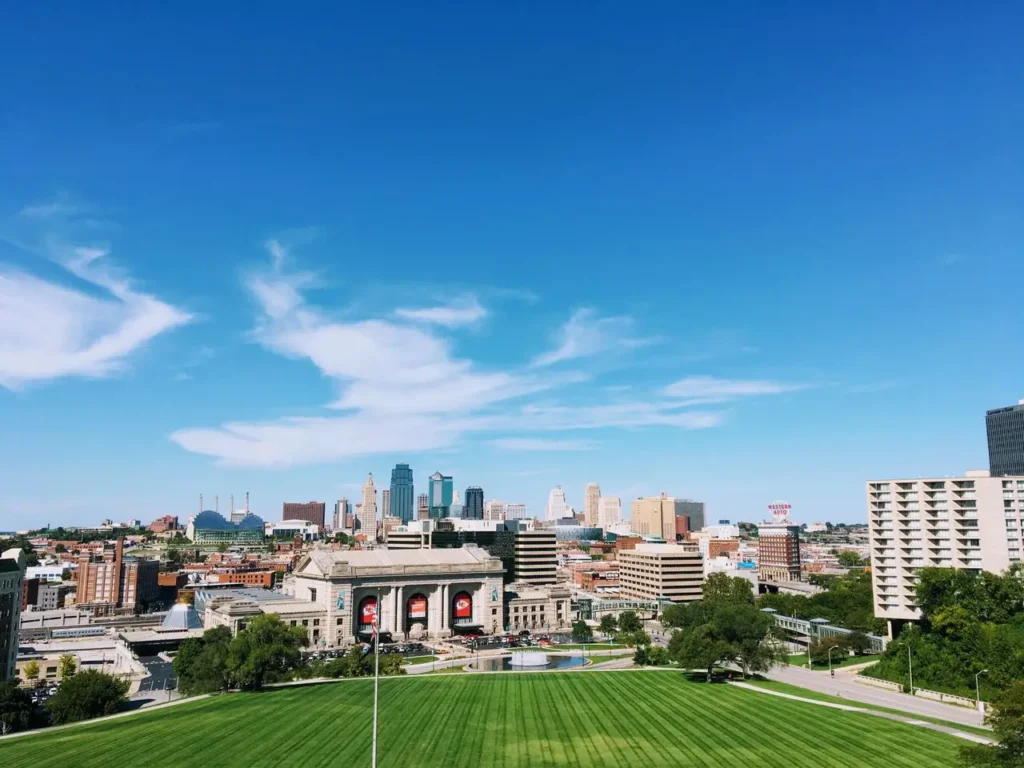
AWDTSG removal Missouri runs through two distinct metro ecosystems — Kansas City on the western border and St. Louis on the eastern — plus a string of smaller professional cities (Springfield, Columbia, Jefferson City) and the two flagship university towns. The state’s geography means AWDTSG activity rarely overlaps across the Kansas City and St. Louis metros; each operates its own dense regional group structure with active uncensored spin-offs. Missouri has one of the strongest combined statutory frameworks for non-consensual intimate imagery in the central United States — a single statute that creates both criminal felony liability and a private cause of action with statutory damages and attorney’s fees, which is unusual.