
Coverage across the Indianapolis metro (city core, northern suburbs, southern/eastern suburbs), the Bloomington and West Lafayette university clusters, plus Fort Wayne, South Bend, and Evansville.
Indiana clients have access to a civil cause of action for non-consensual intimate imagery under Indiana Code § 34-21.5-3-1, contributing to civil remedies available in the Midwest.
72-hour median takedown timeline, with the dual criminal/civil statute leverage frequently pulling that shorter on contested platform cases.
Flat-fee engagement covering the full scope from scan through written confirmation, with 30 days of post-removal monitoring included.
Indiana AWDTSG work is two integrated phases handled under a single engagement. Phase one is the scan: we sweep the Indianapolis main group, the Carmel–Fishers northern-suburbs spin-offs, the Bloomington and West Lafayette university-town clusters, and the Indiana-relevant Reddit and Tea-app mirrors. Phase two is the takedown: every relevant surface gets a platform-specific submission, framed against Ind. Code § 35-45-4-8 where the post fits the criminal statute and against the 2024 civil cause of action under § 34-21.5-3-1 where civil leverage is supportable. Indiana clients get both phases for a single flat fee.
Indiana AWDTSG activity is concentrated heavily around Indianapolis but with meaningful secondary clusters in the university towns and the state’s regional cities. We handle takedowns across all of them, including:
Because Indiana AWDTSG activity is concentrated in Indianapolis with secondary clusters tied to two major universities, effective takedown coverage has to span the main metro group and at least one university cluster for most professionals working in healthcare, life sciences, or law. We default to running the sweep against all three primary surfaces — Indianapolis main, IU, Purdue — even when the initial evidence only points to one.
Our removal process for Indiana clients is built around the state’s specific group structure, statutes, and professional ecosystems. The 6 steps below are the standard Indiana workflow — most Indiana cases complete to written confirmation within 72 hours of receipt of the evidence package.
Encrypted video call with our Chicago HQ team, typically 30 to 45 minutes. Indianapolis-area clients commonly book same-day; university-town clients (Bloomington, West Lafayette) often book evening slots to fit clinical or academic schedules. The call ends with a fixed-fee quote and an evidence-collection checklist.
You upload what you have through our encrypted intake. We then run the structured Indiana sweep — Indianapolis main group, northern-suburbs spin-off, IU cluster, Purdue cluster, the Indiana-relevant Reddit subs, the Tea app — and produce a written inventory of every surface that has content. Scan timing is typically 24 hours.
Takedown case built around Ind. Code § 35-45-4-8 (criminal misdemeanor, Level 6 felony on subsequent offense) and Ind. Code § 34-21.5-3-1. The Indiana civil statute contributes to civil remedies used in non-consensual intimate imagery cases.
Submissions go to Meta (for the AWDTSG groups), Reddit’s content policy team (for the Indiana subreddits including r/IndianaUniversity and r/Purdue), and the Tea app’s report flow. Indiana cases that invoke the civil statute may see faster platform response because the civil pathway provides a clearer documentation basis for review and enforcement action.
Every removal confirmed in writing — screenshot of platform action, dated record, surface-by-surface. Indiana cases that stall past 96 hours escalate through platform contacts and, for higher-stakes matters, through Indiana counsel-issued preservation letters citing the dual criminal/civil statutory framework.
30 days of post-removal monitoring included by default. Sweeps every 7-10 days across every surface the original content touched, with alerts on Indiana-specific keywords. Any resurfacing during the monitoring window triggers an immediate follow-up takedown at no additional cost.
Indiana has a meaningful combined statutory framework for removing non-consensual intimate imagery. For Indiana residents, these statutes often strengthen an AWDTSG takedown case beyond what platform policy alone would support. Note: MGMT Reputation is not a law firm, and nothing on this page is legal advice — but these are the statutes that frequently matter in the cases we handle.

Indiana’s criminal NCII statute makes it a Class A misdemeanor to distribute an intimate image of another person when the distributor knows or reasonably should know that the depicted person does not consent. A prior conviction elevates the offense to a Level 6 felony. The statute expressly does not require that the depicted person actually sent the image to the distributor — closing the loophole that has limited some other states’ statutes.


Indiana has a civil cause of action for non-consensual intimate imagery under Ind. Code § 34-21.5-3-1. The statute allows a depicted individual to bring a claim related to the disclosure of private intimate images under specified unlawful purposes, including harassment, intimidation, or harm. Consent to creation does not establish consent to disclosure. This provides a civil pathway relevant to AWDTSG-related content in the Midwest.
Indiana adopted the Uniform Public Expression Protection Act, giving the state a modern anti-SLAPP regime. It cuts both ways: it raises the bar for weak defamation claims intended to silence protected speech, but it also sharpens the standard for legitimate defamation claims involving provably false AWDTSG statements. We work with Indiana counsel where a defamation angle is supportable.
Indiana common law provides remedies for libel and slander where AWDTSG content contains specific, identifiable, provably false statements of fact about an Indiana resident — particularly allegations of criminal conduct, professional misconduct, or sexually transmitted infection. Defamation per se categories have meaningful force in Indiana professional licensing contexts.
In practice, these statutes give Indiana clients more leverage than clients in states without equivalent frameworks. We fold the relevant citations into our takedown requests where they apply, which often shortens the removal timeline.
Indiana AWDTSG cases escalate quickly because Indianapolis concentrates an unusual density of healthcare, life sciences, and corporate headquarters into a single mid-sized metro. Being named in a group is painful anywhere. In Indiana, a screenshot can reach a senior partner, a managing director, or a board member through overlapping Indianapolis professional networks in the same week.
Indianapolis is home to Eli Lilly's global headquarters plus a dense network of healthcare systems — IU Health, Community Health Network, Ascension St. Vincent — and the state's medical-affairs and clinical communities.
The Indianapolis–Bloomington corridor concentrates a significant share of the country's life sciences workforce. AWDTSG threads naming senior staff frequently reach compliance and HR within days.
Indiana BigLaw partners, in-house counsel at Fortune 500 headquarters, and the Indianapolis legal community are diligenced on lateral moves, partnership tracks, and bar standing.
Indiana University and Purdue operate Title IX and conduct review structures that take AWDTSG allegations seriously even when the underlying content is personal.
The Indianapolis motorsports industry plus dozens of Fortune 1000 headquarters across the state mean senior executive reputation runs through compliance and board review continuously.
Northern Indiana's manufacturing and logistics base, plus the South Bend Notre Dame ecosystem, creates a dense professional class where AWDTSG exposure can affect hiring and promotion decisions.
Indiana cases run out of our Chicago HQ. The two states share a border, the same metro time zone, and a substantial commuter population — Indianapolis is a 3-hour drive — but the workflow is built around remote handling regardless. Intake is encrypted video, evidence collection is encrypted upload, and consultations book directly via Calendly. The Indiana regions below come up most often in our casework:
Downtown Indianapolis, Broad Ripple, Mass Ave, Fountain Square, and the inside-465 neighborhoods.
Carmel, Fishers, Westfield, Zionsville, Noblesville, and the Hamilton County professional corridor.
Greenwood, Plainfield, Avon, Brownsburg, and the broader Marion County edge.
Bloomington and the surrounding Indiana University community.
Lafayette, West Lafayette, and the Purdue corridor.
Fort Wayne, Huntington, and the surrounding Allen County belt.
South Bend, Mishawaka, Granger, Elkhart, and the Notre Dame ring.
Evansville, Newburgh, and the Tri-State corridor.
Every other region of Indiana. The entire AWDTSG removal process is handled over secure intake and encrypted video. No travel required.
Removing the original post is the first step, not the last. Indiana’s two-university structure plus the dense Indianapolis professional class means a single screenshot captured before takedown can travel from the Indianapolis main group to a Bloomington or Purdue spin-off, then mirror to r/Indianapolis or the Tea app, all within a week. Continuous monitoring catches resurfacing before it reaches the people who matter for the client’s career.
Indiana’s combination of one dominant metro plus two major university towns makes resurfacing patterns predictable but persistent. Screenshots captured before the original removal regularly re-surface in spin-off groups, cross-post to Reddit, or mirror on TikTok and the Tea app weeks or months later. For Indiana clients at Eli Lilly, IU Health, the major Indianapolis law firms, or the IU and Purdue communities, even a 24-hour exposure window can reach a managing director, a hiring committee, or a Title IX office.
AWDTSG REMOVAL INDIANA
Six-step flow: consultation, evidence intake and scan, legal framing built around Indiana’s dual criminal/civil statute, platform submission, written confirmation, and a 30-day monitoring window. The engagement runs out of our Chicago HQ over encrypted video, so Indiana clients never have to come in. Most Indiana cases close to written confirmation within 72 hours of evidence intake.
Most AWDTSG removals for Indiana clients are completed within 72 hours of receiving the evidence package. Cases that proceed under § 34-21.5-3-1 often move faster because the 2024 civil statutory basis gives platforms a clearer pathway, particularly when the content was originally shared with an expectation of privacy or obtained without authorization.
Flat fee, quoted at the end of the consultation. Indiana cases generally fall within our standard pricing band, with the upper end reserved for cases involving multiple universities, cross-platform mirroring on commercial sites, or the 2024 civil cause of action being filed in parallel. No retainer, no hourly billing. The quote covers the full engagement through written confirmation.
The active posts stay down once platform action is confirmed. The realistic risk is from pre-takedown screenshots resurfacing in spin-off groups, on Reddit, or on the Tea app — particularly in Indiana because the IU and Purdue clusters are tightly networked. The 30-day monitoring window catches most of it. Extended monitoring is available for clients in healthcare, law, and higher-ed administration where a multi-month exposure window matters.
Typically no. Meta’s takedown process does not disclose the requesting party. For Indiana clients pursuing civil remedies under § 34-21.5-3-1 with counsel, the requesting party can also remain shielded through structured legal process. All intake and case communications are handled under NDA.
Included in the standard Indiana engagement. The relevant Indiana subreddits (r/Indianapolis, r/Indiana, r/IndianaUniversity, r/Purdue) and the Tea app’s Indiana-tagged content are swept and removed as part of the same engagement, priced into the flat fee. Cross-platform mirrors are where most Indiana resurfacing happens and we treat them as core scope.
The default Indiana sweep covers the documented main group, the regional spin-offs (northern Indianapolis suburbs, IU, Purdue, Fort Wayne, South Bend, Evansville), the relevant Reddit subreddits, and the Tea app’s Indiana flag. The written scan report is delivered before any takedown action so the client sees the full picture before deciding final scope. If we surface content the client wasn’t aware of, the quote is adjusted before action is taken.
Indiana cases tend to move along Indianapolis professional networks quickly — Eli Lilly, IU Health, the major Indianapolis law firms, and the IU and Purdue communities are all tight-knit, and AWDTSG exposure tends to surface during the worst possible week. Book a confidential consultation directly on our Calendly. The call runs out of our Chicago HQ over encrypted video, takes 30 to 45 minutes, and ends with either a fixed quote or, if there’s nothing actionable, a written confidential report.
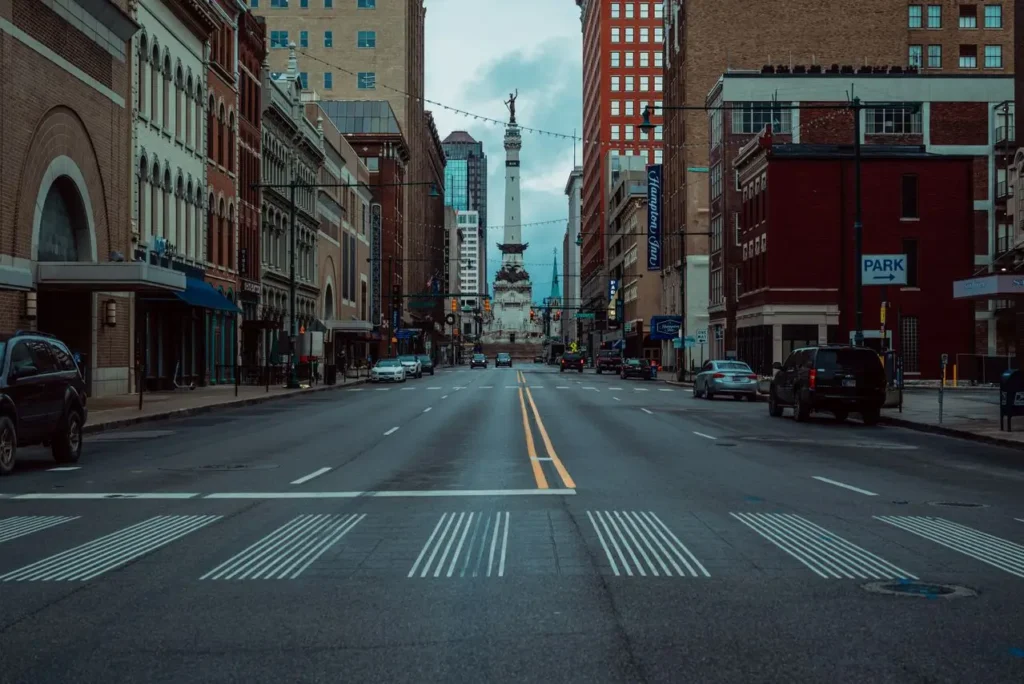
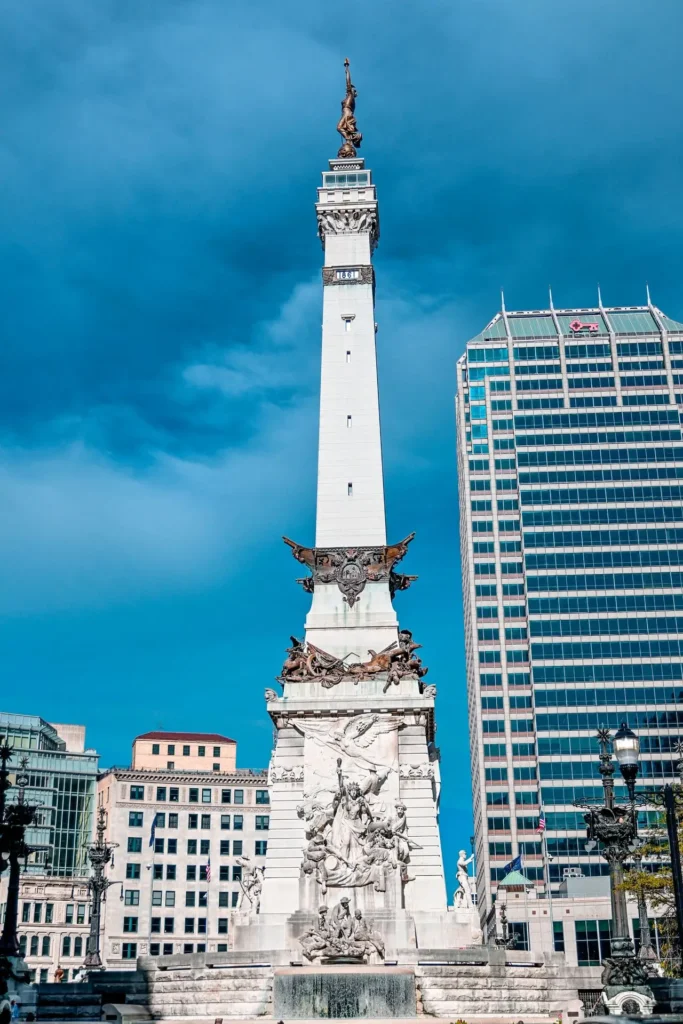
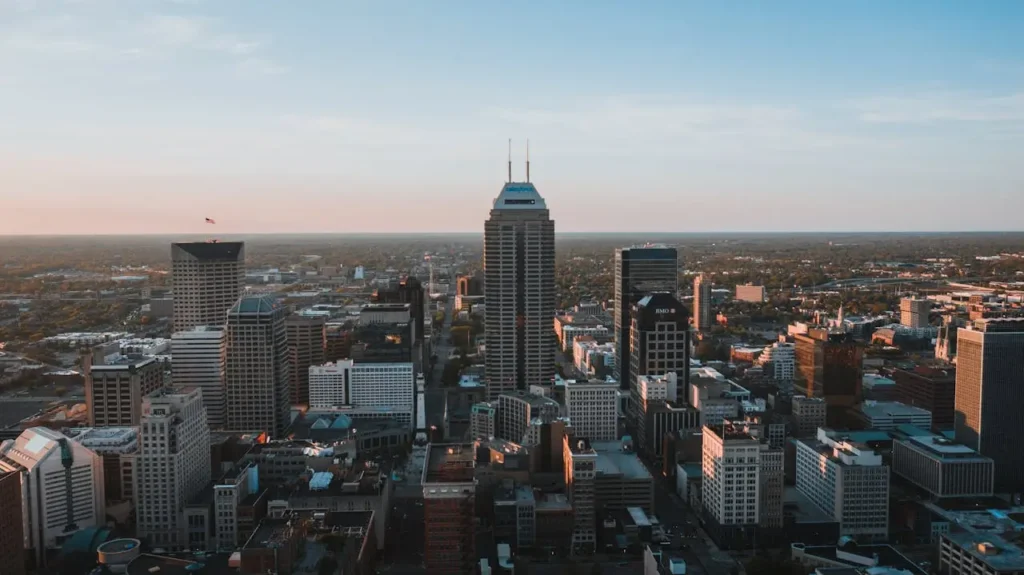
AWDTSG removal Indiana centers on the Indianapolis metro, which alone covers roughly a third of the state’s population and the dense ring of professional suburbs to the north — Carmel, Fishers, Westfield, Zionsville. Indiana’s professional and academic geography is unusual: a single dominant metro, two major university towns running their own concentrated groups (Bloomington for Indiana University, West Lafayette for Purdue), and a string of secondary cities (Fort Wayne, South Bend, Evansville) where AWDTSG group activity tracks the local professional class. Indiana has legal frameworks addressing non-consensual intimate imagery through criminal and civil remedies, contributing to enforcement options in the Midwest.