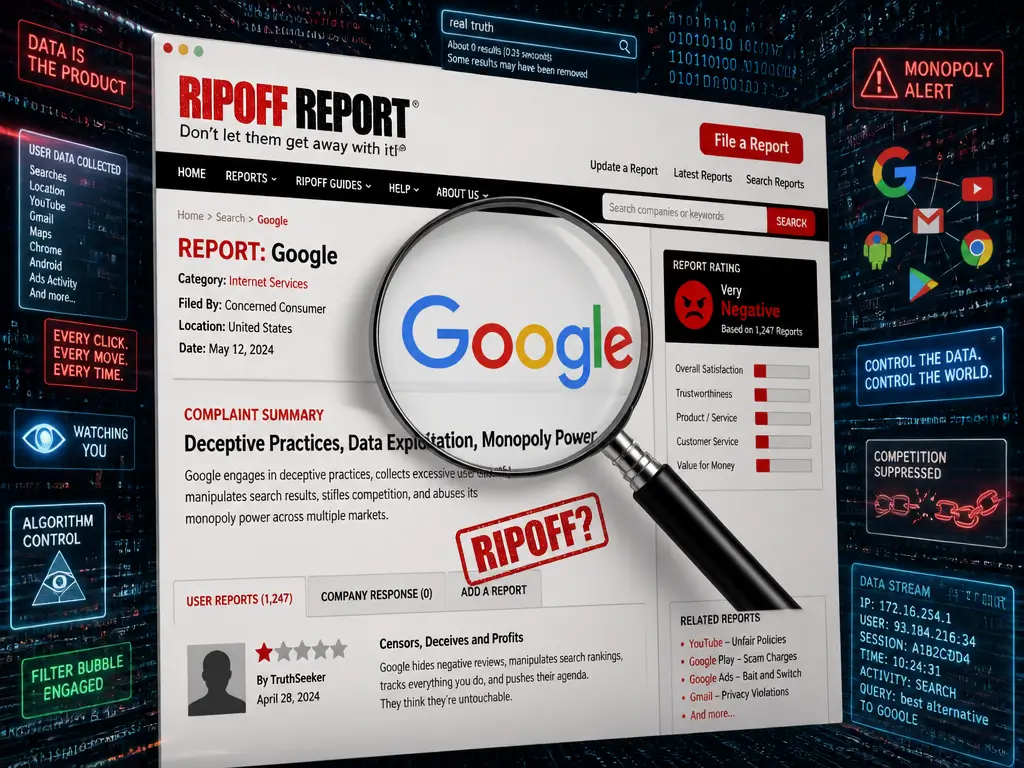
A single search result can shape public trust before any conversation begins. For businesses and individuals alike, reputational damage often appears suddenly and then spreads quietly across search engines. According to HubSpot, three out of four users focus only on the first page of search results, so early visibility is decisive.
An online reputation management company does not start with quick fixes; it begins with a structured response that looks at how information is indexed, ranked, and interpreted online. Behind effective recovery is disciplined SEO reputation management, where search behaviour, platform authority, and content relevance are analysed together. This organised approach is central to how MGMT Reputation handles online recovery, enabling reputational risks to be tackled methodically with actions prioritised by impact, credibility, and long-term control rather than rushed removal attempts.
Key Takeaways
- Online reputation recovery is most effective when guided by a clear process rather than reactive takedowns or surface-level fixes.
- A 30–90 day timeline succeeds when actions are sequenced across assessment, remediation, and stabilisation phases.
- Tracking visibility shifts, sentiment balance, and risk recurrence keeps decisions evidence-based, not assumption-led.
- Brand image management should replace negative impressions with credible, authoritative signals to secure lasting control.
- Business and corporate reputations need different strategies because exposure, stakeholder impact, and risk scale differ.
- MGMT Reputation uses a disciplined, platform-aware execution model that favours sustainable outcomes over quick suppression.
How does online reputation management actually begin when damage already exists?
Online reputation recovery does not start with removals or new content publishing. It begins with a controlled diagnostic phase that establishes what is harming visibility, credibility, and trust. Effective online reputation management services depend on understanding how search engines interpret reputation signals before any corrective action is taken.
This initial phase focuses on three core actions:
- Comprehensive visibility audit: Search results, review platforms, social mentions, and indexed content are analysed and mapped to identify sources causing reputational decline and to assess the authority backing each source.
- Risk and priority assessment: Harmful content is evaluated for reach, credibility, and persistence to determine what requires immediate online reputation cleanup and what can be handled through longer-term suppression.
- Strategy alignment: Findings are translated into a structured reputation management process that coordinates technical fixes, content positioning, and platform-specific responses.
What does a 30–90 day reputation recovery timeline realistically look like?
Reputation recovery follows a phased structure rather than a single corrective action. At MGMT Reputation, clear timeframes set expectations while allowing adjustments based on platform authority, content persistence, and the response limits that come with online reputation repair.
Days 1–10: Assessment and control
The opening phase focuses on stabilising exposure by analysing search results, review platforms, and indexed content to create a clear baseline. MGMT Reputation prioritises immediate containment of high-risk visibility issues while defining the exact scope of required reputation management services.
Days 11–45: Active remediation and correction
In this window, MGMT Reputation carries out targeted actions to address negative content through removal requests, suppression tactics, and SEO reputation management aligned with platform-specific engagement. Each action is prioritised by impact and feasibility to keep recovery momentum without creating additional reputational risk.
Days 46–90: Stabilisation and long-term positioning
The final phase reinforces positive visibility by strengthening authoritative assets and aligning them with search intent. MGMT Reputation focuses on sustainable optimisation and structured monitoring, so improvements hold over time rather than relying on short-lived fixes.
How is progress measured and controlled throughout the reputation management process?
Recovery only works when progress is tracked against visible signals rather than assumptions. Rather than broad promises, a structured control system verifies whether corrective steps are actually changing perception, rankings, and trust.
Progress is evaluated through controlled checkpoints:
Step 1: Search for visibility movement
Ranking shifts are watched to see whether negative results lose prominence and authoritative assets gain traction. This confirms whether the reputation management process is shifting search behaviour as planned.
Step 2: Sentiment and review balance
Changes in review tone, frequency, and platform spread are monitored to confirm improvements in audience response. This supports accurate brand image management by measuring trust signals instead of volume alone.
Step 3: Risk recurrence detection
Continuous online brand monitoring is used to spot new mentions, resurfacing content, or amplification risks before they escalate. Early detection keeps corrective action controlled and proactive rather than reactive.
How does brand image management work beyond removing negative content?
Removing harmful material only clears the immediate issue; it doesn’t rebuild the reputation that was lost. Lasting stability comes from intentionally shaping what replaces those negative impressions and ensuring that positive, relevant information appears consistently across trusted sources.
Brand image management answers three critical questions:
- What should decision-makers see first?
Priority assets are identified and promoted so search results, profiles and references lead with credible, trust-building information rather than gaps left by removed content. - What reinforces credibility over time?
Supporting content and independent third-party signals are layered to form a coherent brand reputation strategy, making visibility a result of relevance and authority rather than forced suppression. - How is future risk controlled?
Continuous online brand monitoring tracks new mentions and ranking shifts, allowing corrective action before reputational pressure becomes public-facing again.
How are business and corporate reputations handled differently?
Reputation exposure changes as organisations grow, so a single recovery approach won’t suit every context. The difference between business reputation management and protecting corporate brand reputation is about scale, visibility, and stakeholder impact rather than size alone.
| Evaluation Area | Business Reputation Management | Corporate Reputation Management |
| Core exposure points | Reviews, local search results, branded queries | News coverage, executive profiles, third-party commentary |
| Primary risk driver | Loss of customer trust at the point of purchase | Long-term erosion of credibility across stakeholders |
| Tactical focus | Review ecosystems, local visibility, and response consistency | Media positioning, authority assets, and governance alignment |
| Decision impact | Affects short-term conversions and enquiries | Influences partnerships, valuatio,n and investor confidence |
| Management model | Often handled by a local reputation management company | Typically led by a corporate reputation management company |
| Strategic objective | Protect immediate trust signals | Safeguard the corporate brand reputation over time |
How MGMT Reputation applies this process to real online reputation challenges
Rather than treating reputation repair as a generic checkbox, MGMT Reputation uses a controlled execution model that adapts to exposure type, platform risk, and search intent. That flexibility keeps the same framework effective across individual, business, and corporate scenarios without falling back on one-size-fits-all tactics.
Execution is guided by a fixed operating checklist:
- Issue qualification: Each reputational threat is categorised by visibility, authority strength, and likelihood of persistence before any action is taken, so effort is focused where it matters most.
- Platform-specific deployment: Strategies are applied selectively across search results, review platforms, and third-party sites to deliver consistent reputation management company outcomes rather than isolated wins.
- Search-led reinforcement: Positive assets are positioned using an online reputation management service model that aligns content relevance with ranking behaviour to support long-term stability.
- Ongoing control: Performance is reviewed continuously to refine actions and protect gains, reflecting the disciplined standard expected from a best reputation management company.
Start a Structured Online Reputation Recovery
Online reputation recovery succeeds when it follows a defined process rather than isolated actions. A structured approach brings clarity to complex visibility issues, aligns expectations with realistic timelines, and ensures progress is measurable across platforms, search results, and public perception using professional reputation management services.
MGMT Reputation applies this disciplined methodology to help individuals and organisations regain control with confidence and consistency. By combining technical insight, strategic execution and long-term oversight, the process supports sustainable trust rather than temporary relief. If your online presence needs structured correction, speak with MGMT Reputation to begin a controlled recovery strategy today.
FAQs
1. How long does online reputation repair usually take?
Typically, online reputation repair takes between 30 and 90 days. The exact timeframe depends on platform authority, how persistent the content is, and how quickly corrective actions change search visibility and public perception.
2. Can negative search results be completely removed?
Some negative results can be removed if policy or legal violations exist; others are managed through suppression and authority-based positioning strategies.
3. What is included in professional reputation management services?
Reputation management services typically cover auditing visibility, removing or suppressing harmful content, managing reviews, strengthening positive assets, and monitoring ongoing reputational risks.
4. How is progress measured during the reputation management process
Progress is measured through ongoing monitoring of ranking movement, shifts in sentiment, review balance, and early detection of recurring risks, all tracked with structured reporting and continuous online brand monitoring.
5. Do businesses and individuals require different reputation strategies?
They do. Businesses typically prioritise reviews and conversion-driven signals, while individuals and executives need broader visibility control across search results, media coverage, and third-party platforms.